

Abstract
Russia is one of the world’s largest producers of barley, and this grain plays a major role in the country’s agricultural exports. In recent years, Iran has become one of the main destinations for Russian barley. This article examines the agronomic and qualitative characteristics of Russian barley, its production system, export routes, and its position in the Iranian market.
1. Barley Production in Russia
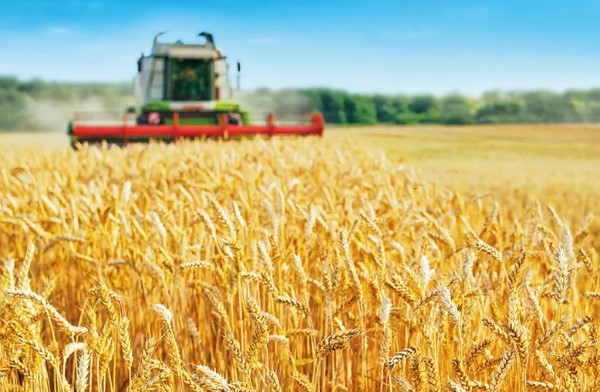
With an annual output of more than 20 million tons, Russia ranks among the world’s top barley producers, alongside the European Union and Australia. Over seven million hectares of land are devoted to barley cultivation, primarily in the southern and Volga regions.
Most Russian barley is spring barley, sown from early April and harvested in July to August; a smaller share consists of winter varieties.
Because Russia’s climate ranges from harsh winters to dry summers, barley is valued as a resilient, low-input crop suited to semi-arid zones. Breeding programs have focused on improving drought tolerance, kernel weight, and grain uniformity to ensure stable yields across variable environments.
2. Quality Characteristics of Russian Barley
Russian barley is cultivated mainly for two purposes:
-
Animal feed, which accounts for more than 80 percent of total production.
-
Industrial processing (malting) for beverages and fermentation products.
The grain typically has a high thousand-kernel weight, low husk percentage, and medium protein content — attributes that make it ideal for livestock feed. Owing to the dry climate of southern Russia, harvested barley usually has low moisture content, contributing to long shelf life and good storability during transport.
3. Barley Exports from Russia to Iran
Iran has emerged as one of the principal importers of Russian barley. Between 2022 and 2025, export volumes have fluctuated between 500,000 and 700,000 tons per year. Most shipments move through the Caspian Sea corridor, departing from Russia’s Astrakhan Port to Iran’s northern ports such as Amirabad and Anzali.
Rising demand for animal feed in Iran and limited domestic production have strengthened import dependency. The difference in harvest timing between the two countries is commercially advantageous: while Iranian barley is marketed in June–August, Russian supplies arrive in late summer and early autumn, helping to stabilize domestic prices and prevent seasonal shortages.
4. Opportunities and Challenges
Opportunities
-
Geographic proximity and short maritime routes across the Caspian Sea.
-
Competitive pricing compared with European or Australian barley.
-
Ability to maintain steady supply to Iran after its domestic harvest period.
Challenges
-
Export-quota policies and seasonal restrictions imposed by Russia.
-
Need for consistent quality control at Iranian entry ports.
-
Growing competition from Kazakhstan in the Iranian barley market.
5. Conclusion
Russian barley, characterized by its adaptability to harsh environments, favorable feed quality, and strong export capacity, represents a key component of Russia’s grain trade. Iran, as a nearby and stable market, occupies an increasingly strategic position in this trade network. Sustaining this partnership will depend on improved port logistics, stable export policies, and the establishment of shared quality standards between the two countries.
No comments yet.